
Physical therapy for active adults · Lafayette, LA
The tennis, the lifting, the running, the Saturday in the yard. You are still doing all of it, and somewhere along the way it started costing more than it used to. That is not a reason to do less of it. It is a reason to find out what actually changed, and to fix the thing underneath instead of managing it for the next twenty years.
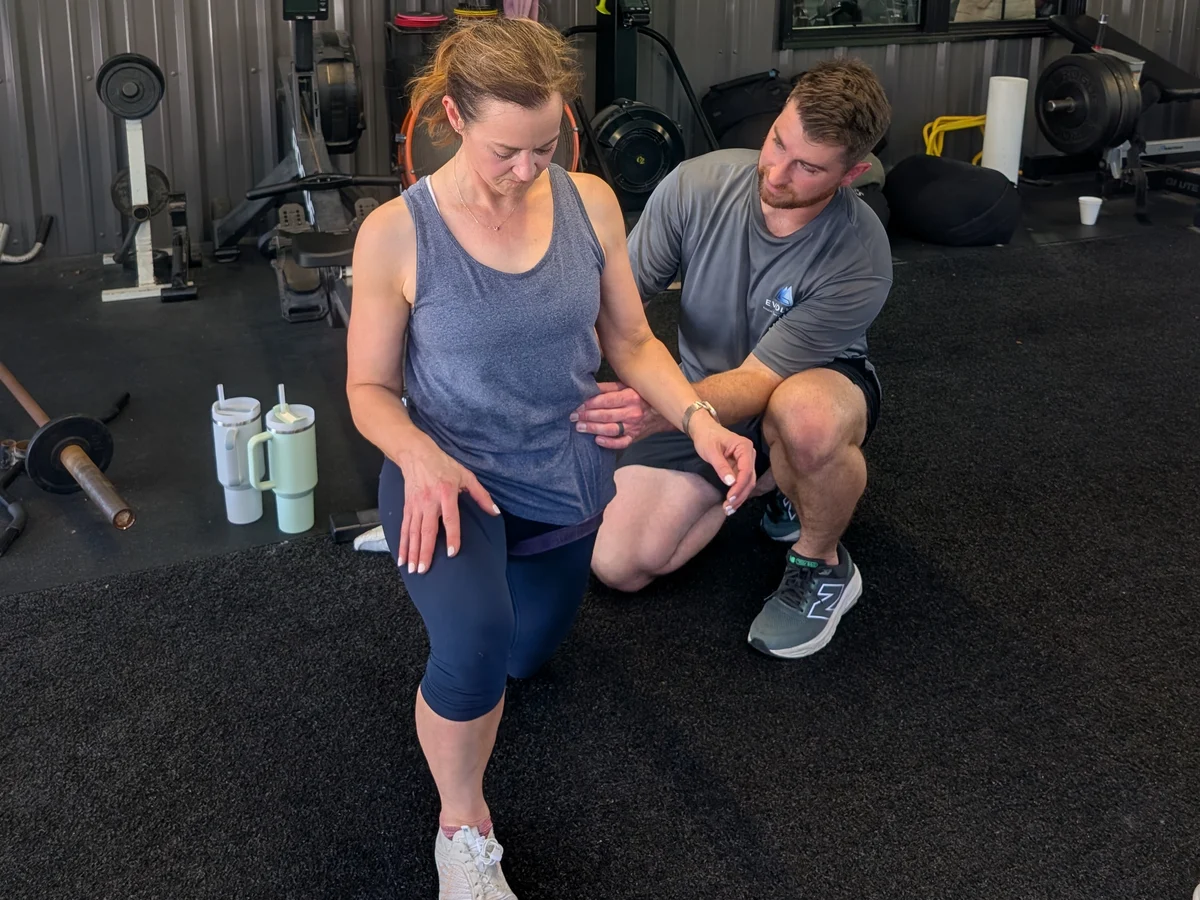
- One hour, one-on-one
- Orthopedic fellowship-trained
- Certified in dry needling
- You keep training throughout
Nothing is wrong with you. The margin just got smaller.
In your twenties you could get away with a bad week. Poor sleep, a heavy session with no warm-up, a weekend of yard work after three months of doing none. Your body absorbed all of it and said nothing. Somewhere in your late thirties that margin narrowed, and now the same bad week costs you a month.
That is not decline and it is not something you have to accept. It means what you do around your training matters more than it used to, and almost nobody has ever sat down and shown you which parts. That leaves you with two pieces of advice. Rest it, which quietly costs you the thing you were trying to protect. Or push through it, which you have already tried.
The six I see most in adults who still train
Your plan is built around what you actually do. These are the problems that keep showing up in people who refuse to stop doing it.
Shoulders that stopped going overhead
It rarely starts at the shoulder. When the mid-back and the ribs stop moving, the shoulder blade stops supporting the arm and the joint takes work it was never meant to take. Press, serve or reach up to a high shelf, and it tells you about it.
Low backs that flare every few months
The one most people have quietly organised their life around. It settles, you forget it, and then it arrives again with no obvious trigger. Pain that has a cycle like that almost always has more than one cause, and the recurring part is the part worth treating.
Knees, on the run and in the squat
Knees are rarely the problem. They are the place the problem lands when the hip above or the ankle below stops doing its share. Treat the knee on its own and you will be back here in six months, which is usually why people have already been here twice.
Hips, and the stiffness that moves the load
A hip that will not rotate does not stay a hip problem. The work goes somewhere less able to take it, which is normally the low back or the knee on the same side. By the time it hurts, the hip has usually been quiet about it for years.
Necks, and a desk that undoes the training
Eight hours at a screen and then an hour of hard training is a combination your twenties forgave. The neck and the upper back carry the cost of both. Headaches, a shoulder blade that aches by Thursday, and nerve symptoms down the arm all live here.
Recovery that is not what it was at thirty
Three days sore instead of one. The tweak that used to clear in a week and now lingers for a month. This is the most fixable thing on the list and the one people assume is simply age. Load, sleep and how we progress you all move it.
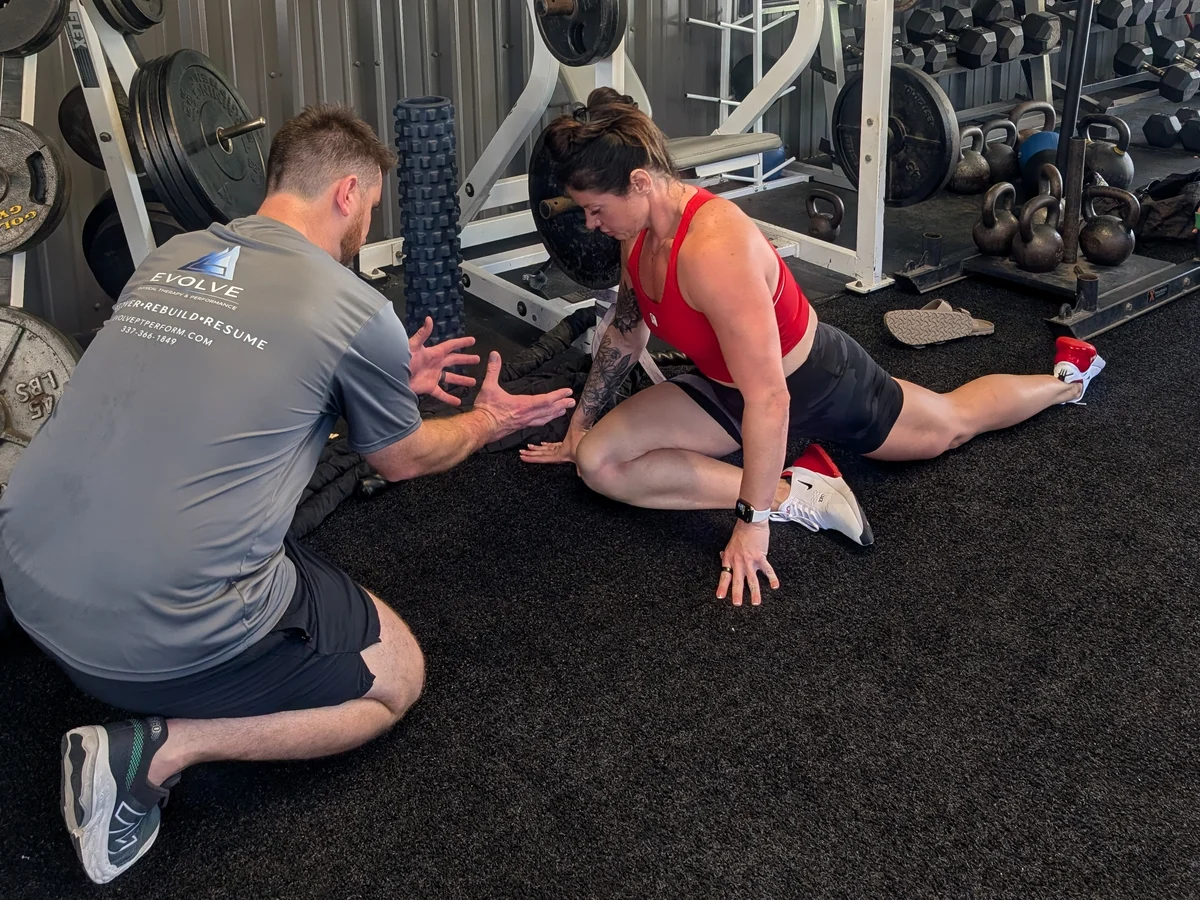
What the first few visits look like
The first visit is a full hour with me, and most of it is spent watching you move, lift and load rather than prodding the sore spot. You leave knowing what is driving the problem and what we are going to do about it. Two things I will tell you early: pain usually has more than one cause, and a scan is a poor guide to how much it should hurt.
The first few weeks are about getting the pain down, with hands-on work and dry needling, because very little else is possible while it is loud. That window is the point. It is when you can finally train, and if nothing gets stronger inside it the window closes again.
From there it becomes real strength work, built up at the pace your body will take, until the thing that failed is stronger than it was before it failed. You keep training the whole way through. We change what you train and how much of it, and the week you give up is not part of the plan.
Two people who had already tried everything
Both are Google reviews. Both had been somewhere else first, and both had been told there was not much left to do.
I was recently referred to Dr. Chris West, and I am so grateful I found him. I had been dealing with ongoing foot and knee pain for several years and had seen multiple practitioners without finding long-term relief. I was beginning to think surgery was my only option. Dr. Chris’ first visit was extremely thorough. He took time to understand my concerns, explain what was causing my problems, and create a plan to help correct them. After four visits, I’ve made significant progress. He checks my progress each visit, addresses any concerns, and provides a home exercise program to keep me improving. I feel confident that Dr West will help me get back to proper form and become pain free. I highly recommend him to anyone looking for excellent care.
Chris is awesome. His Physical Therapy approach seems to stem from a place of empathy. I can tell that he really cares about me. On top of that, he’s very intelligent and intuitive. He has solved my knee issues which doctors told me were unsolvable. He has progressed my wrist issues significantly which also seemed like a lost cause. I highly recommend going to Chris.
You always know which stage you are in
Your plan is built for you. These are the four stages it moves through, so nothing in it is a surprise.
Evaluation
Find the root cause and leave with a clear plan.
Symptom Relief
Manual therapy, dry needling, and targeted exercise to get you moving with less pain, fast.
Strengthening & Load Conditioning
Progressive training matched to your recovery, so you heal without losing momentum.
Performance & Maintenance
Go past your pre-injury baseline and catch small problems before they become big ones.
What people who still train ask me
Am I too old for this?
Do I have to stop what I enjoy while we work?
My scan showed arthritis. Is that the end of it?
I am stiff all the time. Should I just stretch more?
How many visits is this going to take?
Tell me what you have stopped doing
That is the whole first conversation. What hurts, what it is stopping, and what you want back. Sometimes that is one more set of tennis. Sometimes it is picking up your grandkids without thinking about it first. If I can help, I will tell you how I would go about it. If I cannot, I will tell you that too.
Book your free 15-minute callPick a time that suits you, and I will call you then. Fifteen minutes, free, and no pressure.
Chris has been great to help keep me active and doing things I want to do. He understands where my body is breaking down and what needs to be done to get me back on schedule.